Identities are an ongoing process of locating ourselves and marking out who we are and the relationships we get involved. (Carah & Louw, 2015, p.168)
Nowadays, the definition of identity has been transformed by the development of social media and the Internet transmission. Now, identity is no longer a birth certification or the personality of a person we talk face-to-face, identity can be rated by online identity – how we act online on our social media platforms.
There are hundred ways to show our online identities, some use their own names, some create nicknames to suit the “theme” they are trying to convey. For myself, my online identity displays my true self, not a character that I made up for business or marketing purposes.
The “self-presentation” on the Internet is not completely engaged in to the people in the real world, but build-up with conversations, social expectations and others people’s identities. (Brown, 2015, p. 221)
The online world gives us many opportunities to interact and share with others. But it is also a place that nothing is temporary and cannot be recover. Everything you do, write or say online can be seen even if you delete it. It is easy for others to copy, save and forward your information to anyone.
My motto is not to say or share inappropriate words online. Not only will it ruin your identity in the present, but it can also worsen your image in the eyes of prospective employers or future employers if they have ever seen your online profile. Even if those sensitive images or words are on a private page, they can be hacked or copied and forwarded on cyberspace.
The more we get into social media and trying to establish our online identities, the more pressures we get, especially with those celebrities or social media influencers. We have to undergo the criticism from strangers and being insecure about our safety.
Moreover, “Fear of missing out” – also known as “FOMO” affects us sometimes. It is defines as the feeling of insecure that something interesting is happening elsewhere without our representation. (Dodgson, 2018)
Social media are often maintain this anxiety, when you see pictures of your acquaintances having enjoyable time without you, and the feeling can be all-consuming.
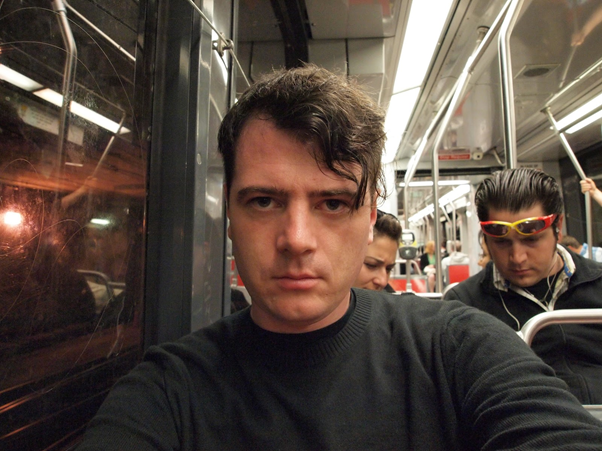
Based on the report of Eric Barker, people who are already unsatisfied may get more impacts of FOMO. Take for instance, facing with a huge amount of Instagram or Facebook posts about other people’s lives, it can feel like you are always an out-cast. (Barker, 2016)
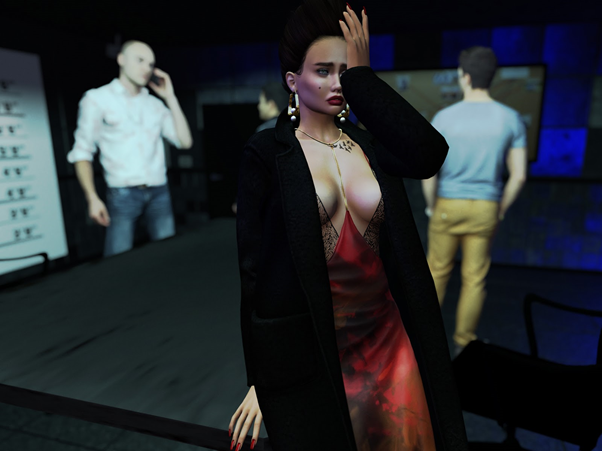
Having FOMO can lead to negative results such as depression, lack of sleep and insecurity about worthiness.
There are ways to overcome FOMO, firstly is to use social media effectively and selectively, try your best not to compare yourself with other people. Secondly, having a stable mindset, control the attention and not to let useless contents be time-consuming. Easier said than done, but if there is a will, there is a way.
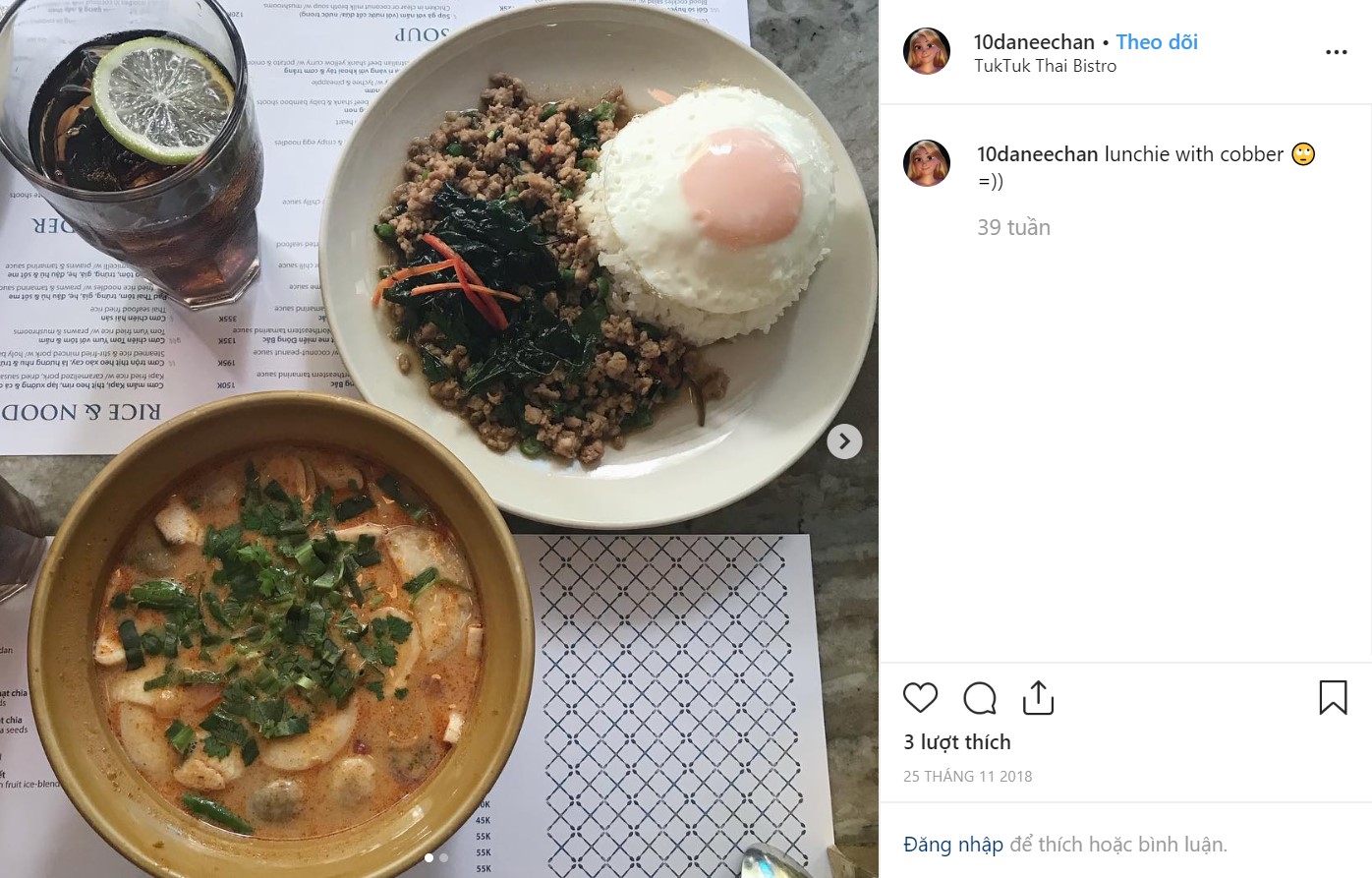
Photo by Danielle Nguyen, November 25th 2018 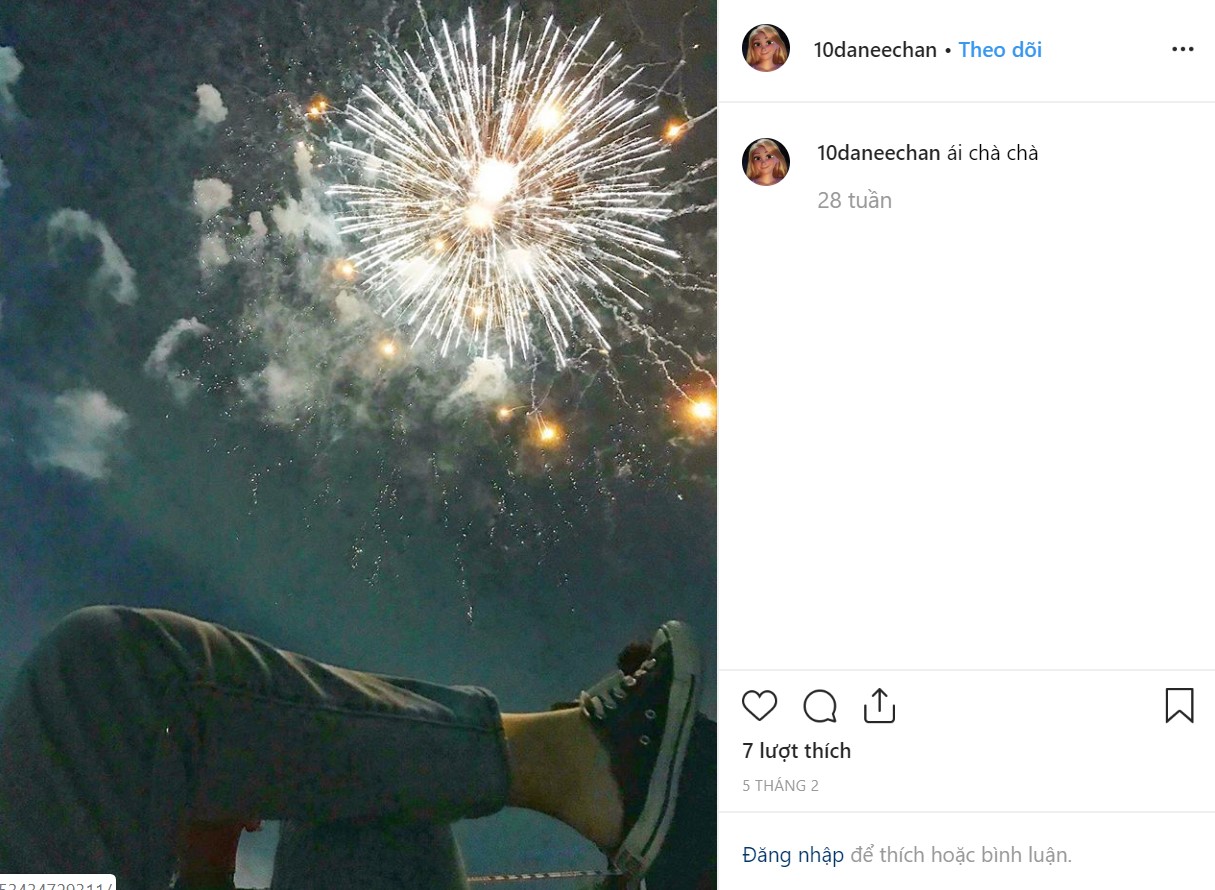
Photo by Danielle Nguyen, February 5th 2019
My Instagram illustrates a normal life-style with daily photos that best describes my real personality. One of the photos that I have uploaded is a Thai dish I had with a friend. The other photo was New Year fireworks in Vietnam.
On the other hand, Twitter is a platform that I use to professionally showcase photos that are more well-designed and less private than Instagram. The first tweet was when I visited the old Town in Hoi An, Vietnam in Tet holidays, the atmosphere was so much fresher than the city I lived and the scenery was incredibly poetic
The second tweet was about one time that I was wandering on the city of Melbourne. Everything were different compare to my hometown. The people were friendly, the street were clean, the architectures were phonomeno amazing beautiful.
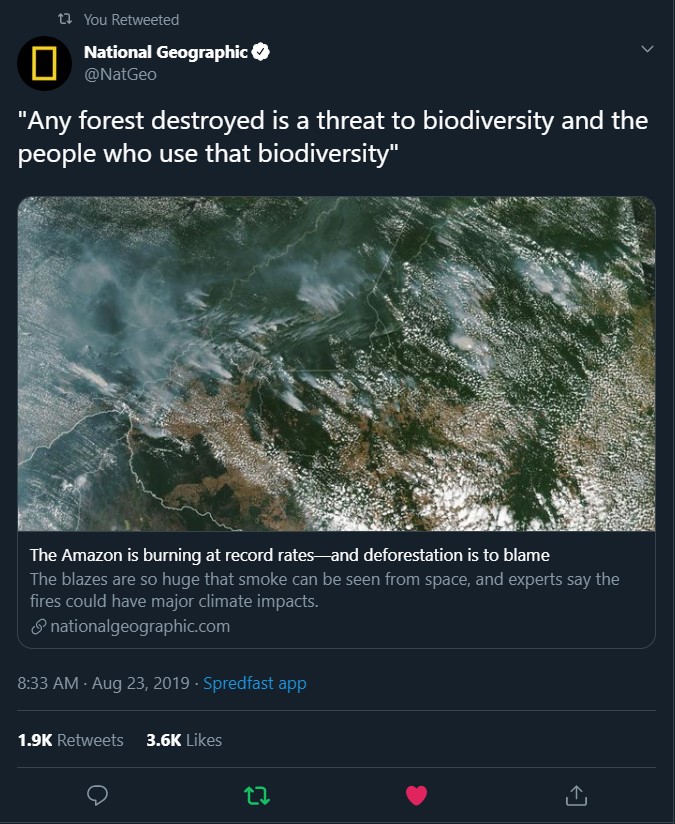
Furthermore, Twitter is also a place where I update the global discoveries, keeping track on current news and adapt more knowledges from all around the world. The tweet was about the Amazon forest was burning and being destroyed.
Although, I am not active on social media but I am trying my best to deconstruct my profile in a professional way because it is beneficial for myself in the future, because this is not about superficial judgements of worth based on appearance. This is about making wise decisions on representing ourselves, based on how rationally our mind works.
References:
Tebaldi, T 2017, what stress! just report that I lost my Uber account, photograph, retrieved 24 August 2019, <https://bit.ly/2MDoP5w>
Moore, J 2009, Stressed, photograph, retrieved 24 August 2019, <https://bit.ly/2MC1K3e>
Carah, N & Louw, E 2015, Media & Society: Production, Content & Participation, SAGE Publications Ltd, London.
Chalkey, T, Hobbs, M, Brown, A, Cinque, T, Warren, B, Finn, M 2015, Communication, Digital Media and Everyday Life, 2nd edn, Oxford University Press, South Melbourne, Vic.
Dodgson, L 2018, ‘Here’s what’s really going on in your brain when you experience ‘FOMO’ – the fear of missing out’, Business Insider, retrieved 24 August 2019, <https://www.businessinsider.com/why-we-experience-fear-of-missing-out-2018-4>
Hobson, N 2018, ‘The Science of FOMO and What We’re Really Missing Out On’, Psychology Today, retrieved 25 August 2019, <https://www.psychologytoday.com/us/blog/ritual-and-the-brain/201804/the-science-fomo-and-what-we-re-really-missing-out>
Barker, E 2016, ‘This Is The Best Way to Overcome Fear of Missing Out’, TIME, retrieved 25 August 2019, <https://time.com/4358140/overcome-fomo/>
 DANIELLE'S BLOG